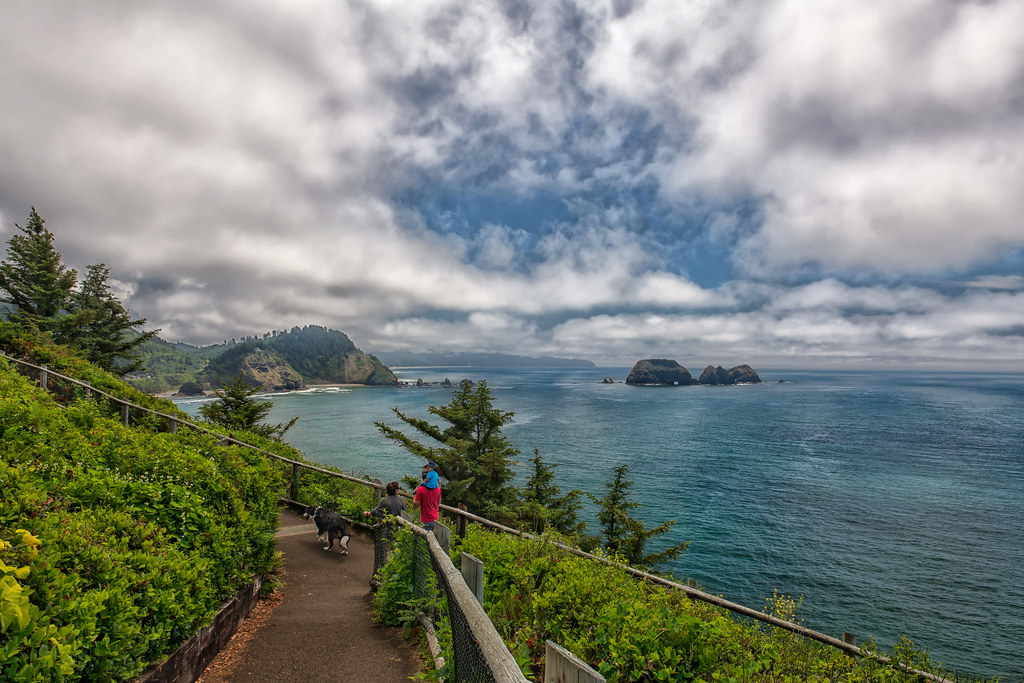
Three Arch Rocks National Wildlife Refuge: The Complete Visitor Guide
Half a mile off the coast of Oceanside, Oregon, nine rocky islands rise out of the Pacific — a wilderness so small you could walk its entire footprint in a few minutes, and so important that a U.S. President set it aside more than a century ago. Three Arch Rocks National Wildlife Refuge is one of the Oregon Coast's most remarkable, and most overlooked, natural landmarks. Here's what makes it worth a stop, and exactly where to see it best.
A Brief History of Three Arch Rocks
In the early 1900s, two young Oregon naturalists, William L. Finley and Herman Bohlman, began rowing out from Oceanside to photograph the seabird and sea lion colonies on Three Arch Rocks — and documenting hunters killing dozens of sea lions at a time and sportsmen shooting seabirds for sport. Finley brought his photographs to Washington, D.C., and on October 14, 1907, President Theodore Roosevelt signed an executive order declaring Three Arch Rocks a National Wildlife Refuge — the first one established west of the Mississippi River, and only the third in the country. In 1970, Congress designated the refuge as wilderness, making it one of the smallest wilderness areas in the United States at just 15 acres.
What Makes Three Arch Rocks Special
The refuge is made up of three large sea stacks — Storm Rock, Finley Rock and Shag Rock — along with six smaller rocks, all carved by wave action out of what was once part of Maxwell Point. Despite its small size, it supports an outsized amount of wildlife: The largest common murre colony south of Alaska, with well over 100,000 nesting birds The largest breeding colony of tufted puffins on the Oregon Coast The only pupping site for threatened Steller sea lions on the northern Oregon Coast Nesting habitat for Brandt's and pelagic cormorants, plus visiting peregrine falcons and bald eagles
Best Places to View Three Arch Rocks
The refuge itself is closed to all public entry year-round to protect nesting wildlife, and boats must stay at least 500 feet away between May 1 and September 15. Fortunately, some of the best views in the region are from dry land, no boat required.
Oceanside Beach The most convenient vantage point. Walk out onto the sand at Oceanside Beach State Recreation Site and the refuge sits directly offshore — bring binoculars for the best look at nesting birds along the rock faces.
Tunnel Beach Reached through the tunnel at the north end of Oceanside Beach, this quieter cove offers an even more direct, straight-on view of the rocks and is a favorite among local photographers, especially in the golden light of early morning or late afternoon.
Cape Meares State Scenic Viewpoint From the overlook at Cape Meares, about ten minutes north of Oceanside, you can see Three Arch Rocks from an elevated angle alongside the Cape Meares Lighthouse — a good option if you want two landmarks in a single stop.
Best Time to See the Wildlife
Spring and early summer (April through July) are the best months to see nesting seabirds, including tufted puffins with their bright orange bills, and this is also when the closure buffer around the rocks is strictly enforced to protect the colonies. Steller sea lions can often be spotted hauled out on the rocks throughout the year, with pupping season in early summer. Winter brings fewer birds but dramatic wave action and storm-watching conditions from the same viewpoints.
Photography Tips
Bring a telephoto lens if you want detailed shots of the wildlife — the refuge sits half a mile offshore, and the rocks themselves are the subject, not a backdrop to walk up to. The tunnel at Tunnel Beach makes a natural frame for wide shots of the rocks in the distance, and the golden hour just after sunrise offers the calmest light and water on this west-facing stretch of coast.
Refuge Rules & Access
Three Arch Rocks is closed to all public entry year-round, with no exceptions for hiking, landing or approaching by watercraft. From May 1 through September 15, boats and aircraft must stay at least 500 feet away to avoid disturbing nesting birds and pupping sea lions. Viewing from shore at Oceanside or Cape Meares is unrestricted and free.
Where to Stay Near Three Arch Rocks
Three Arch Inn sits in Oceanside, directly across from the best shoreline views of the refuge, with several ocean-view rooms that let you watch for wildlife without leaving your balcony. It's an easy walk to both Oceanside Beach and the Tunnel Beach trailhead — the two best land-based vantage points described above.
Ready to Experience the Oregon Coast?
Book your stay at Three Arch Inn and discover the magic of Oceanside for yourself.